Master the Art of Grinding Coffee Beans: An Overview to Coffee Grinders
For coffee enthusiasts, the process of grinding coffee beans is more than simply a regular job; it is an art form that can significantly affect the taste and top quality of the final brew. Comprehending the subtleties of various mill kinds, selecting the ideal grind dimension, and utilizing the right strategies are important steps towards accomplishing that best mug of coffee.
Kinds of Coffee Grinders
There are 3 key kinds of coffee grinders commonly used by coffee enthusiasts: blade grinders, burr grinders, and manual grinders. Blade mills are one of the most basic type, making use of a simple blade to chop the coffee beans. While they are budget friendly and very easy to use, they frequently lead to unequal coffee grounds due to inconsistent grinding. Burr grinders, on the various other hand, supply even more accuracy by crushing the beans between a moving grinding wheel and a non-moving surface. This causes an uniform work dimension, which is critical for a regular coffee taste. Burr grinders are available in both level and cone-shaped shapes, each offering slightly various grinding attributes.
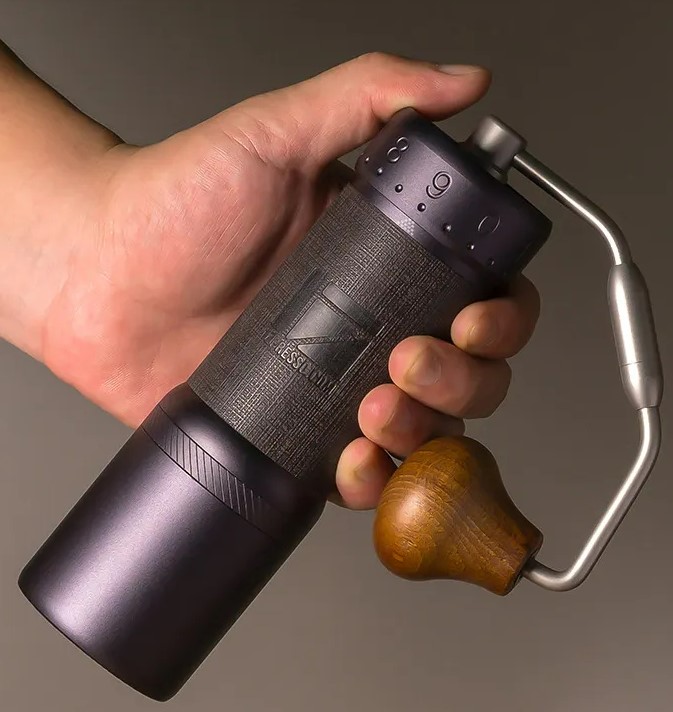
Manual grinders, as the name recommends, require hands-on initiative to grind the coffee beans. Each type of coffee grinder has its benefits and ideal use instances, catering to the diverse choices of coffee fanatics.
Choosing the Right Grind Dimension
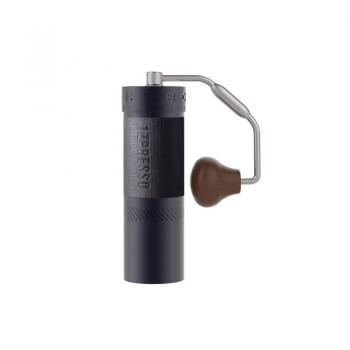
With an understanding of the various kinds of coffee grinders, the next important action in achieving the ideal cup of coffee is choosing the appropriate work size. The grind size plays a considerable function in establishing the taste profile of your coffee (1Zpresso J-Ultra). Different brewing methods need certain work dimensions to maximize the removal of tastes from the coffee premises
For a crude work, perfect for French press and cool mixture approaches, the coffee beans need to resemble breadcrumbs, providing a robust and bold flavor. Medium-coarse grinds, ideal for Chemex or Clever Dripper, have a texture comparable to crude sand, supplying a well balanced preference.
Tool grinds, usually made use of in drip coffee machine, have an uniformity looking like routine sand, leading to an all-round flavor. Fine grinds, finest for espresso devices, belong to table salt, yielding an abundant and extreme preference. Finally, extra-fine grinds, used in Turkish coffee, are as great as powdered sugar and create a solid and potent brew.
Grinding Strategies for Ideal Flavor
To draw out the fullest potential of taste from your coffee beans, understanding proper grinding techniques is necessary. Uniformity is key when it comes to grinding coffee beans for ideal taste. By paying focus to these grinding strategies, you can elevate the flavor profile of your coffee and take pleasure in an extra satisfying cup every time.
Maintenance and Cleaning Tips

Change any kind of damaged components without delay to preserve the quality of your coffee grind. By complying with these upkeep and cleaning pointers, you can guarantee that your coffee grinder continues to supply tasty freshly ground coffee for years to come.
Troubleshooting Common Mill Issues
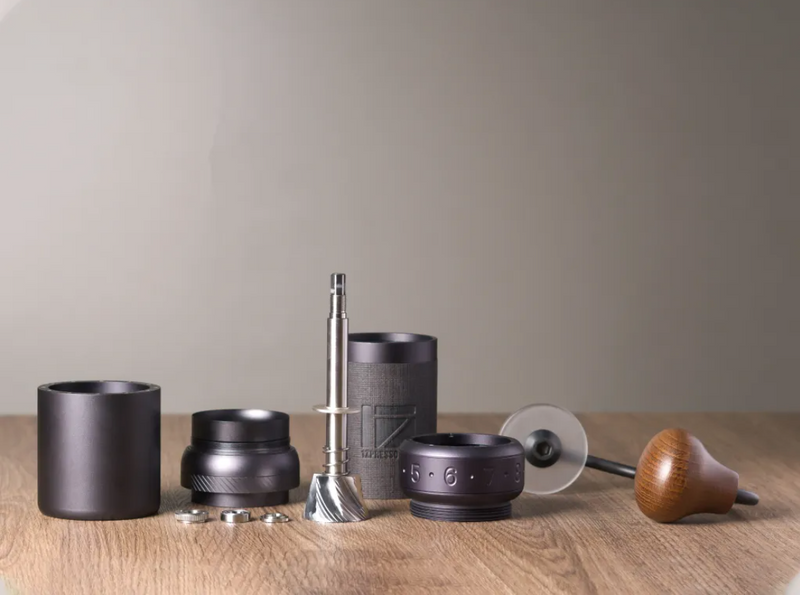
Ensuring your coffee mill operates smoothly calls for skilled troubleshooting of typical concerns that may arise during its use. One typical issue with coffee mills is irregular grind dimension. This issue can occur as a result of boring blades, incorrect calibration, or unequal coffee beans. To resolve this, ensure your mill's blades are sharp and correctly lined up, calibrate the mill according to the wanted work dimension, and tremble the mill gently while being used to assist accomplish a much more consistent work.
This can occur when oils from the coffee beans build up and block the mill's chute. To settle this, dismantle the mill and clean all components completely, paying special attention to the chute and burrs.
Finally, if your grinder is generating too much noise throughout operation, it might indicate a trouble with the electric motor or internal parts. In such cases, it is check out here advisable to speak with the supplier's guidelines for troubleshooting steps or look for specialist help to identify and fix the problem promptly.
Conclusion
To conclude, grasping the art of grinding coffee beans involves comprehending the different types of coffee grinders, choosing the right work size, making use of appropriate grinding techniques for optimum flavor, and preserving and cleansing the mill on a regular basis. By following these guidelines and fixing typical grinder problems, coffee enthusiasts can raise their coffee brewing experience and enjoy a delicious cup of coffee every single time.